


Fingerprint evidence has been used in criminal investigations for over a century. Prosecutors in Texas and across the country often rely on fingerprint analysis to link suspects to crime scenes. While fingerprints are generally admissible evidence, they are not infallible.
If you’re facing criminal charges based on fingerprint evidence, it’s important to understand how this evidence is collected and challenged in court. Mistakes in fingerprint identification happen more often than most people realize, and an experienced criminal defense lawyer can help ensure the evidence against you is carefully examined.
How Fingerprint Evidence Works in Texas
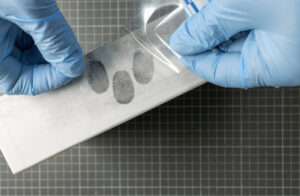
Fingerprints are made up of ridges and patterns that are unique to every individual. Law enforcement agencies in Texas collect and compare fingerprints using specialized technology to identify possible matches.
When a crime is investigated, police often search for fingerprints on objects such as:
- Weapons
- Shell casings
- Doors
- Windows
- Walls
- Stolen property
- Clothing
- Packaging materials
- Vehicles
Once collected, these prints are then analyzed by forensic experts and compared against records in the Automated Fingerprint Identification System (AFIS), which stores millions of prints from people across Texas and the United States.
However, note that a “match” in AFIS doesn’t automatically prove your guilt. It simply means a print shares similarities with another in the database. While fingerprint evidence can be powerful, it is most compelling when supported by additional evidence establishing when and how the print was left.
The Role of Fingerprints in Texas Criminal Trials
In a Texas criminal proceeding, fingerprint evidence can play several roles depending on the facts and circumstances of the case in question. For instance, it can be used to:
- Identify a suspect who left prints at a crime scene
- Link a suspect to a weapon or stolen item
- Establish that a person was present in a particular location
- Corroborate (or contradict) witness testimony
In many cases, fingerprint evidence alone may not establish guilt beyond a reasonable doubt — particularly if there are innocent explanations for how the print was left. For example, your fingerprint on an object may only show that you touched it at some point, not necessarily during the crime. The prosecution must still establish when and how the print was left, which can be difficult to do.
That’s why it’s often worth a criminal defense attorney’s time to challenge how the fingerprints were collected and interpreted, looking for inconsistencies and procedural errors that could weaken the prosecution’s case.
What Are Some Common Problems With Fingerprint Evidence?
Although fingerprint evidence seems scientific and reliable, it’s not always accurate. Many wrongful convictions have occurred due to mistakes in fingerprint analysis or interpretation.
Some common issues in this area include:
- Human error: Examiners can misinterpret similarities between prints.
- Poor collection methods: If the crime scene is not properly handled, prints can be contaminated.
- Pressure to confirm matches: Analysts working closely with law enforcement may feel pressured to find a match, even when the overall evidence is unclear.
- Inadequate training: Not all fingerprint examiners receive the same level of forensic training and certification.
Criminal defense lawyers can use expert testimony to question the reliability of fingerprint evidence and to highlight potential flaws in its collection and analysis.
The Importance of Legal Representation in Cases Involving Forensic Evidence
When fingerprint evidence is part of a criminal case, the prosecution may present it as irrefutable proof. However, scientific evidence is only as reliable as the methods and people behind it.
Having a criminal defense lawyer on your side to advocate for you is critical in these circumstances.
Your attorney can, for instance:
- Review all forensic reports for inconsistencies
- File motions to suppress improperly collected evidence as applicable
- Ensure your constitutional rights were not violated during the investigation
- Present testimony to challenge the prosecution’s forensic claims
A successful defense strategy can expose errors in the state’s case and prevent unreliable evidence from influencing a jury’s verdict at the same time.
Contact Texas Defense Firm to Schedule a Consultation With a McKinney Criminal Defense Attorney
If you’ve been charged with a crime in Texas and fingerprint evidence is part of the case against you, don’t assume the evidence is airtight. Mistakes in collection and analysis can lead to wrongful accusations and convictions.
An experienced McKinney criminal defense attorney can evaluate the available evidence and fight to ensure your rights are protected throughout the legal process.
Contact Texas Defense Firm at (469) 772-9509 for an initial consultation to learn more about how to defend yourself against charges involving fingerprint evidence. Though no outcome can be guaranteed in these cases, it’s possible that having faulty fingerprint evidence thrown out could lead to your charges being dismissed.
